Ranthambore Wildlife & Animals | Tiger, Leopard & Wildlife Guide
Ranthambore Wildlife & Animals
Ranthambore is one of Rajasthan's well-known wildlife destinations, recognised especially for its Bengal tigers and diverse forest landscape.
The wildlife experience here goes far beyond tigers. The landscape supports leopards, sloth bears, sambar, chital, nilgai, wild boar, hyenas, jackals, reptiles and a wide variety of birds.
During a safari, every encounter is influenced by natural factors such as season, weather, animal movement, habitat and available water.
Important: Wildlife sightings are unpredictable. A tiger or any other particular animal cannot be guaranteed on a safari.
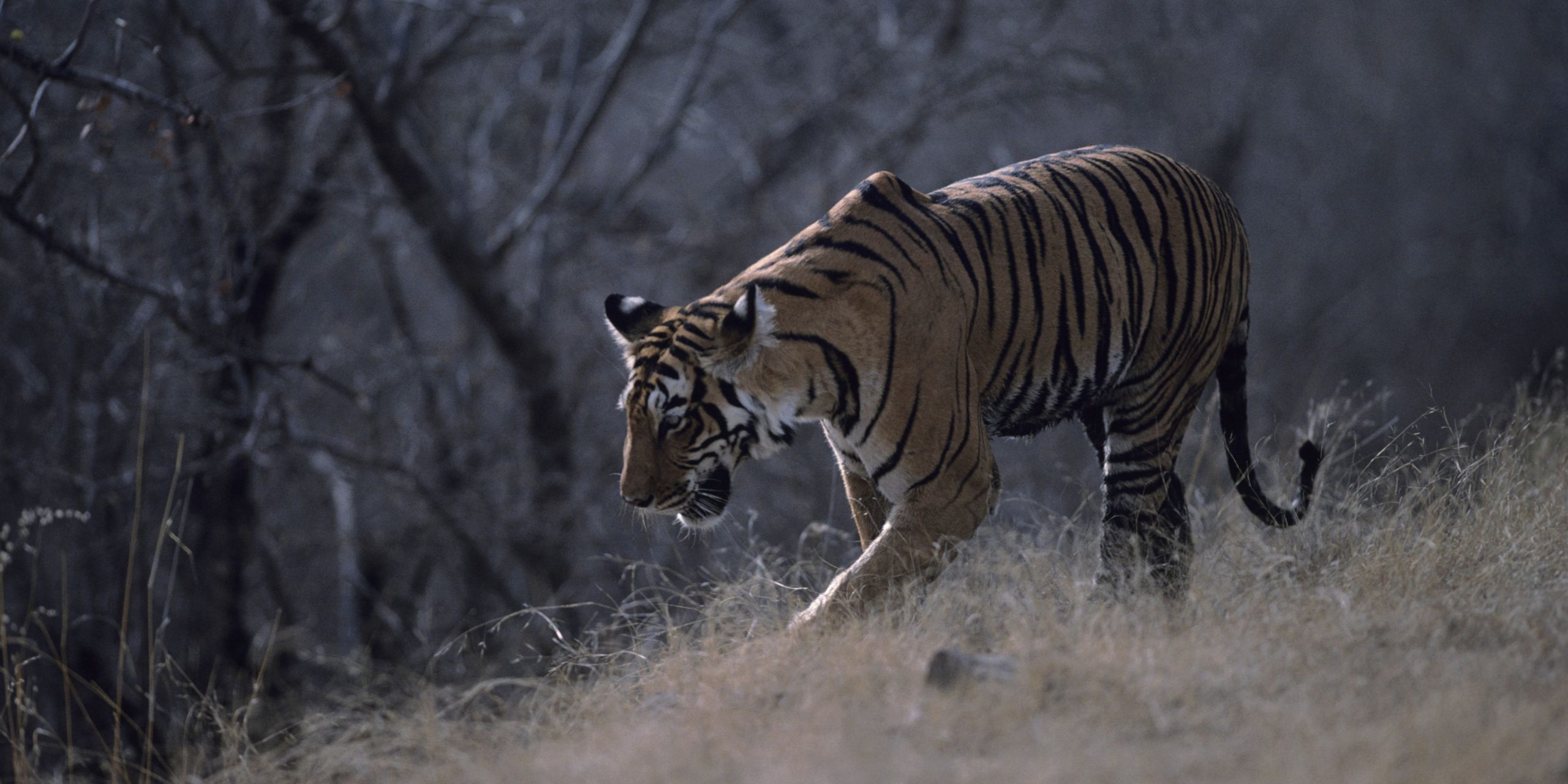
Bengal Tiger
The Bengal tiger is the animal most strongly associated with Ranthambore. Its presence is an important part of the reserve's wildlife identity and attracts visitors interested in observing wild tigers in their natural environment.
Tigers are naturally territorial animals. Their daily activity can include resting, moving through their range, hunting, marking territory and visiting water sources.
- Tigers are generally solitary animals.
- Their movements can vary according to season, weather and prey availability.
- Water can become particularly important during hot and dry periods.
- Tiger behaviour should be observed without disturbing the animal.
- No safari can guarantee a tiger sighting.
Wildlife You May Encounter in Ranthambore
The reserve's wildlife community includes predators, herbivores and smaller mammals. What visitors encounter varies from safari to safari.
Leopard
Leopards are another important large predator of the Ranthambore landscape. They can use forested areas, rocky terrain and other suitable habitats.
Sloth Bear
The sloth bear is a distinctive mammal of the region. It has a varied diet and can use different forest habitats.
Sambar Deer
Sambar are large deer and an important herbivore in the forest ecosystem. Their alarm calls can sometimes alert visitors to nearby predator activity.
Chital
Also known as spotted deer, chital are an important herbivore and a familiar part of the Ranthambore wildlife landscape.
Nilgai
The nilgai, often called the blue bull, is one of the larger antelopes found in the dry landscapes of northern and central India.
Wild Boar
Wild boar are adaptable mammals that form part of the wider food web of the forest ecosystem.
Striped Hyena
The striped hyena is a carnivore and scavenger associated with dry forest and open landscapes.
Golden Jackal
Golden jackals are adaptable carnivores and scavengers that can occupy a range of habitats.
Langur & Macaque
Primates such as langurs and rhesus macaques are part of the wider mammal community of the region.
Reptiles, Birds & Smaller Wildlife
Ranthambore's ecological diversity is not limited to large mammals. Smaller predators, reptiles and birds also form an important part of the wildlife experience.
Birds of Ranthambore
The forests, lakes, grasslands and surrounding habitats support a wide range of birdlife. Birdwatchers may encounter raptors, waterbirds, woodland birds and smaller species during wildlife drives.
Marsh Crocodile
Marsh crocodiles are associated with suitable water bodies in the Ranthambore landscape. Water habitats can provide important opportunities for observing aquatic wildlife.
Smaller Carnivores
The broader landscape can support smaller carnivores and scavengers such as mongooses, foxes, jungle cats and other less frequently observed species.
Forest Reptiles
Various reptiles inhabit suitable forest, rocky and water-associated habitats. Their visibility depends strongly on season and weather.
Habitats That Support Ranthambore Wildlife
Different parts of the landscape provide different conditions for wildlife. Forest, grassland, rocky terrain and water bodies all contribute to the ecosystem.
Dry Deciduous Forest
Dry deciduous vegetation forms an important part of the reserve's landscape and provides food and shelter for many species.
Lakes & Water Bodies
Water sources are important to wildlife and can influence animal movement, particularly during warmer periods.
Grasslands
Open grassy areas provide feeding grounds for herbivores and are part of the varied Ranthambore habitat.
Rocky Hills
Hills and rocky terrain create shelter and movement routes for different wildlife species.
Valleys
Natural valleys and lower areas connect different parts of the forest and can provide access to water and vegetation.
Forest Edges
Transitions between wooded areas and open habitats can support a variety of plant and animal activity.
Understanding Tiger Behaviour
Seeing a tiger in the wild is a natural wildlife experience. The animal may be resting, walking, hunting, crossing a track or remaining hidden in vegetation.
Tiger activity is influenced by many natural factors. Because of this, safari routes and animal movements should never be treated as a guarantee of a sighting.
A responsible safari focuses on observing wildlife without changing or disturbing its natural behaviour.
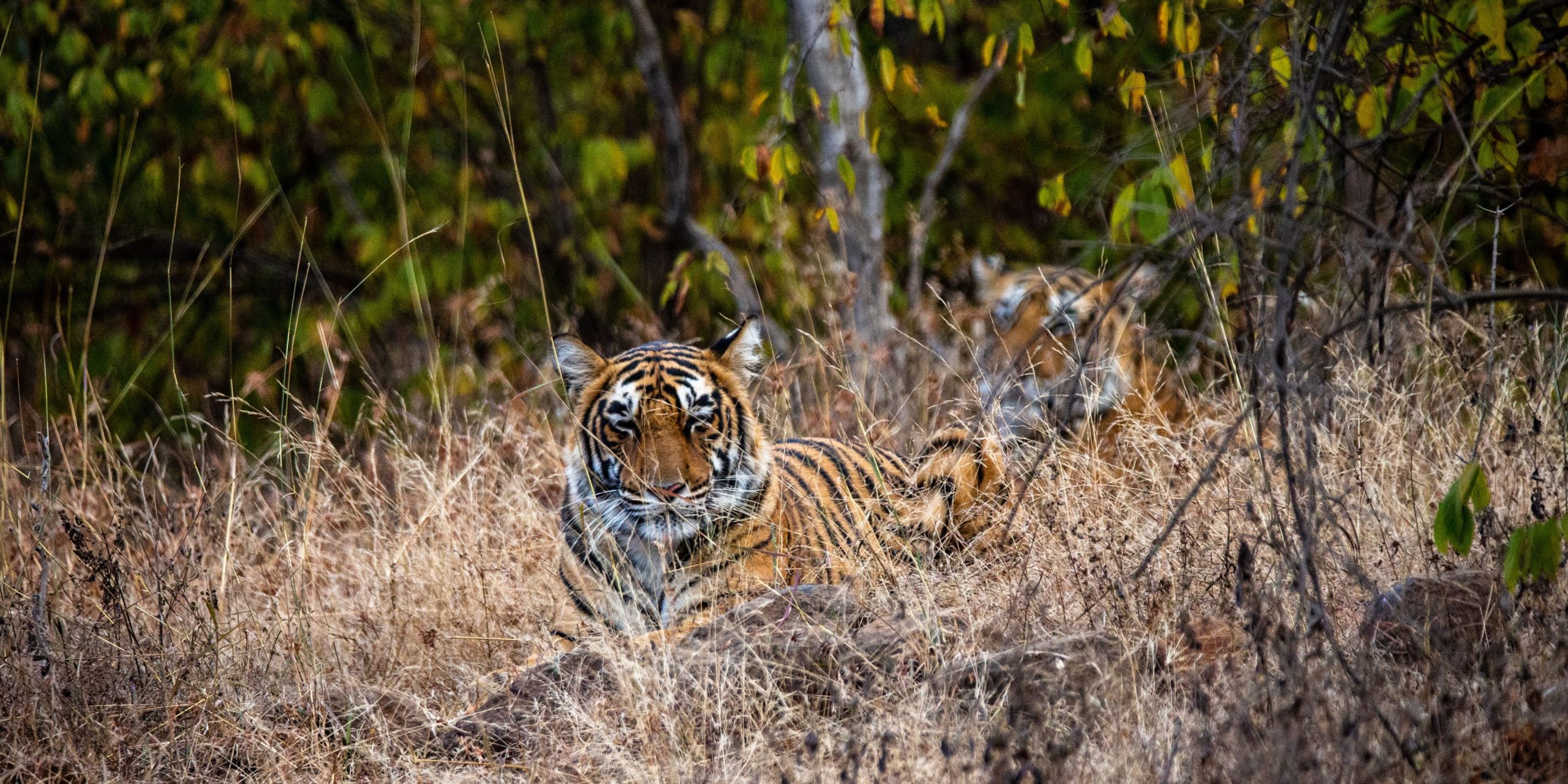
Look Beyond the Tiger
A wildlife safari is more than searching for a particular animal. The forest itself provides many opportunities for observation.
Observe Herbivores
Deer, nilgai and wild boar can provide valuable insight into the forest food chain and predator-prey dynamics.
Watch the Birds
Keep an eye on trees, open areas and water bodies for different bird species during the safari.
Listen to Alarm Calls
Calls from deer and langurs can sometimes indicate nearby predator activity, although they do not guarantee a tiger sighting.
Study Animal Tracks
Tracks and other signs can provide clues about wildlife movement and activity in the forest.
Enjoy the Landscape
Hills, forests, grasslands and water bodies are an important part of the Ranthambore experience.
Respect Natural Behaviour
Wildlife observation should always prioritise the safety and natural behaviour of animals.
Safari Etiquette & Wildlife Respect
Responsible behaviour helps protect wildlife and contributes to a respectful safari experience.
Keep Noise Low
Avoid shouting, loud conversations and unnecessary noise around wildlife.
Never Feed Animals
Wild animals should never be fed or encouraged to approach vehicles.
Do Not Chase Wildlife
Wildlife should be observed without intentionally pursuing or disturbing animals.
Follow Safari Instructions
Follow applicable park rules and the instructions provided by safari staff and guides.
Do Not Leave Waste
Keep plastic, food packaging and other waste out of the natural environment.
Respect Other Visitors
Give other visitors space and avoid behaviour that interferes with their wildlife experience.
Wildlife Sightings Are Never Guaranteed
Tigers and other wild animals move freely in their natural habitat. Sightings depend on natural conditions, animal behaviour, season, weather, habitat and chance. Safari information should therefore be treated as guidance rather than a promise of a particular sighting.
Useful Ranthambore Travel Information
Continue exploring Ranthambore with our safari, accommodation and travel information pages.
Ranthambore Wildlife FAQ
What wildlife is Ranthambore famous for?
Ranthambore is particularly known for Bengal tigers, while the reserve also supports leopards, sloth bears, deer, nilgai, wild boar, hyenas, jackals, reptiles and many bird species.
Are tigers guaranteed during a Ranthambore safari?
No. Tigers are wild animals and their movement cannot be predicted or guaranteed. Every safari is different.
What animals can I see besides tigers?
Depending on natural conditions, visitors may see leopards, sloth bears, sambar, chital, nilgai, wild boar, langurs, jackals, hyenas, crocodiles and different bird species.
Is Ranthambore suitable for birdwatching?
Yes. The combination of forest, grassland and water habitats provides opportunities to observe a variety of birds.
What affects wildlife sightings?
Animal movement, season, weather, temperature, vegetation, water availability and natural behaviour can all influence what is seen during a safari.
Can Ranthambore Wild Ventures help with safari enquiries?
Yes. You can submit your safari requirements and travel dates through the enquiry process. Our team can then contact you to discuss available options and related travel arrangements.
Does a website enquiry guarantee safari confirmation?
No. A website enquiry is a request for information or assistance and does not by itself guarantee availability or booking confirmation.
Does Ranthambore Wild Ventures operate a government website?
No. Ranthambore Wild Ventures is a privately managed travel agency website. It is not a government website, government department or government authority.
Plan Your Ranthambore Wildlife Experience
Share your travel dates and safari requirements with Ranthambore Wild Ventures. Our team can contact you to discuss safari options and related travel assistance.
Ranthambore Wild Ventures is a privately managed travel agency website providing travel information, safari enquiry assistance and related travel services in the Ranthambore area. We are not a government website, government department or government authority. Safari availability, vehicle allocation, zones, timings and wildlife sightings are subject to applicable rules, natural conditions and availability. A website enquiry does not by itself guarantee safari availability or booking confirmation.
Ranthambore Wild Ventures