Ranthambore Wild Ventures

History of Ranthambore

History β€’ Heritage β€’ Ranthambore

History of Ranthambore

Discover the long and fascinating history of Ranthambore, from its strategic hill fort and Chauhan rulers to the legendary reign of Hammir Dev, medieval battles, Mughal expansion and its transformation into a major wildlife destination.

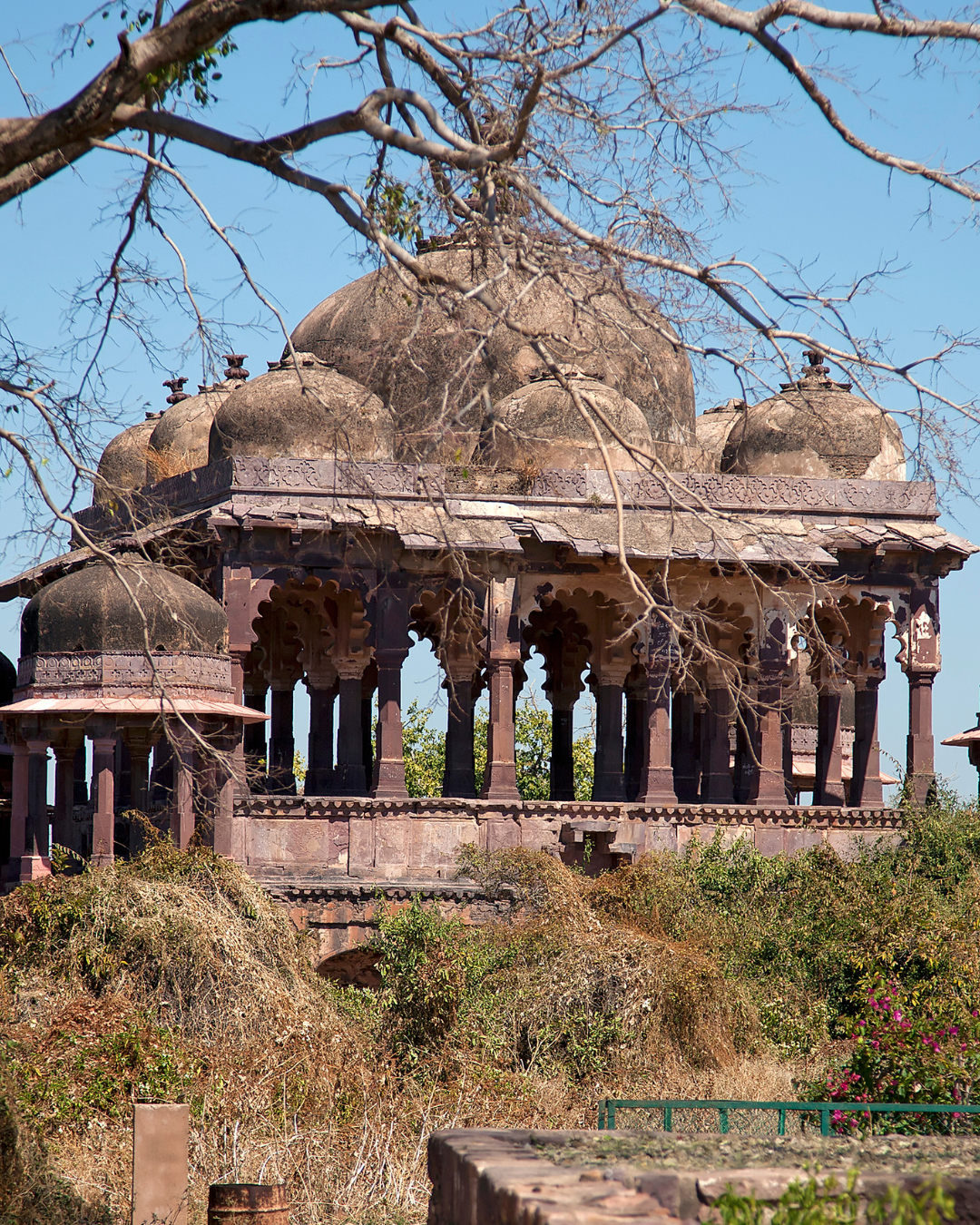
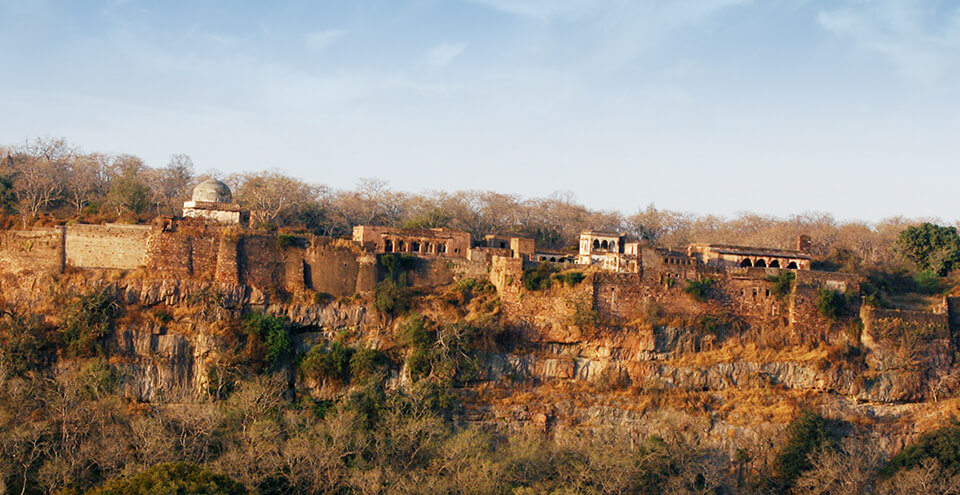
Ranthambore today: A historic forest hill fort surrounded by the landscape of Ranthambore National Park.
ANCIENT LANDSCAPE

The Story of Ranthambore

Ranthambore is where the history of a powerful hill fortress meets the forests and landscapes of eastern Rajasthan.

Historic Ranthambore Fort Rajasthan
Ranthambore Fort and its historic landscape.
A Strategic Hill Fortress

A Fort Built in a Powerful Landscape

Ranthambore Fort stands on a prominent hill surrounded by the forested landscape of the Ranthambore region. Its location gave the fortress a strong defensive advantage and made it an important centre of political and military power.

Rajasthan Tourism describes the fort as being built by the Chauhan rulers and places its major early development in the 10th century. The fort subsequently witnessed numerous conflicts and changes of political control.

The natural setting of the fort is one of its defining characteristics. UNESCO identifies Ranthambore as an established example of a forest hill fort within the Hill Forts of Rajasthan World Heritage property.

Why was Ranthambore important?
Its elevated position, surrounding terrain and access to important regional routes made the fort a valuable defensive stronghold.
EARLY HISTORY

The Chauhan Connection

The early history of Ranthambore is strongly connected with the Chauhan rulers of Rajasthan.

🏰

Chauhan Rule

Ranthambore became an important stronghold associated with the Chauhan dynasty and its regional political power.

⛰️

Strategic Location

The fort's elevated position and surrounding hills and forests contributed to its defensive strength.

βš”οΈ

Military Stronghold

The fort's strategic importance made Ranthambore a focus of repeated military campaigns over several centuries.

HISTORICAL TIMELINE

Ranthambore Through the Centuries

Important phases in the history of the fort and the surrounding Ranthambore region.

10TH CENTURY

Chauhan Development

Rajasthan Tourism associates the construction of Ranthambore Fort with the Chauhan rulers and dates its early development to the 10th century.

13TH–14TH CENTURY

Rise of Hammir Dev

Under Hammir Dev, the last major Chauhan ruler of Ranthambore, the fort became a significant centre of regional power.

1301

Alauddin Khilji's Campaign

Ranthambore was besieged by Alauddin Khilji of the Delhi Sultanate. The siege and fall of the fort became one of the major events in its medieval history.

14TH–16TH CENTURIES

Mewar & Changing Powers

After the medieval conflicts, Ranthambore passed through different phases of political control, including periods associated with the Sisodia rulers of Mewar.

1569

Mughal Conquest

UNESCO's historical documentation records the capture of Ranthambore by the Mughal emperor Akbar in 1569.

18TH CENTURY

Jaipur & Sawai Madhopur

The wider region became connected with the Jaipur state, while the modern city of Sawai Madhopur developed in the 18th century under Maharaja Sawai Madho Singh I.

20TH CENTURY

Wildlife Conservation Era

The surrounding forest landscape gradually became associated with wildlife conservation and eventually developed into the Ranthambore National Park landscape known today.

2013

UNESCO World Heritage Recognition

Ranthambore Fort became part of the UNESCO World Heritage property known as the Hill Forts of Rajasthan, inscribed in 2013.

HAMMIR DEV CHAUHAN

The Era of Hammir Dev

Hammir Dev, also known as Hammir Deo, was the last major Chauhan ruler of Ranthambore and is one of the most prominent figures in the fort's medieval history.

During his rule, Ranthambore remained an important political and military centre. His resistance against the Delhi Sultanate became a defining episode in the history of the fort.

UNESCO specifically notes that the remains of Hammir's palace are among the oldest surviving palace structures represented within the Hill Forts of Rajasthan property.

Historical legacy: Hammir Dev's association with Ranthambore remains central to the fort's medieval historical narrative.
Ranthambore Fort historical landscape
THE SIEGE OF RANTHAMBORE

Alauddin Khilji & The Siege of 1301

The siege of Ranthambore in 1301 is one of the best-known episodes in the fort's medieval history.

01 β€’ THE CAMPAIGN

The Delhi Sultanate Advances

Sultan Alauddin Khilji launched a campaign against Ranthambore, leading to a prolonged conflict around the strategically important fortress.

02 β€’ DEFENCE

The Fort's Natural Defences

The fort's elevated position, massive defensive walls, gateways and surrounding terrain made it a formidable military position.

03 β€’ HAMMIR DEV

Resistance of Ranthambore

The conflict became closely associated with Hammir Dev and his resistance against the Delhi Sultanate.

04 β€’ HISTORICAL LEGACY

A Defining Medieval Event

The fall of the fort in 1301 became an important turning point in the medieval history of Ranthambore.

LATER HISTORY

From Mewar to the Mughal Era

After the fall of the Chauhan stronghold, Ranthambore continued to pass through different phases of political control.

Historical records referenced by UNESCO note that the fort was subsequently captured by the Sisodia rulers of Mewar and expanded during the reigns of Rana Hammir Singh and Rana Kumbha.

In 1569, Ranthambore was captured by the Mughal emperor Akbar. This followed the Mughal conquest of Chittorgarh and marked another important transition in the history of the fortress.

The fort's history therefore reflects the changing balance of power between Rajput kingdoms and the major imperial powers of medieval and early modern India.

Ranthambore Rajasthan historical landscape
Ranthambore Fort and surrounding forest
FOREST HILL FORT

A Fort Surrounded by Ranthambore Forest

One of the most distinctive characteristics of Ranthambore Fort is its relationship with the surrounding forest landscape.

UNESCO identifies Ranthambore as an established example of a forest hill fort. The fort occupies a prominent hill within a landscape of forests, lakes and rocky terrain.

This combination of natural and built defences helped shape the strategic character of Ranthambore throughout its history.

  • Elevated hilltop position
  • Massive defensive walls
  • Historic gateways
  • Palaces and courtly structures
  • Temples and sacred buildings
  • Water reservoirs and tanks
ARCHITECTURAL HERITAGE

What Makes Ranthambore Fort Historic?

The fort contains layers of military, religious and courtly architecture developed across different periods.

Massive Walls

Strong stone fortifications follow the contours of the hill and form the principal defensive structure.

Historic Gates

The fort contains imposing gateways designed as part of its defensive system.

Palaces

Remains of palaces and courtly buildings reflect the fort's role as a centre of political power.

Temples

Sacred buildings within the fort continue to form an important part of its cultural identity.

Water Structures

Tanks and water-harvesting structures demonstrate the importance of water management in the fortified landscape.

Hammir's Palace

UNESCO identifies the remains of Hammir's palace among the oldest surviving palace structures represented in the Hill Forts of Rajasthan.

πŸ›οΈ

UNESCO World Heritage Site

Ranthambore Fort is one of six forts included in the UNESCO World Heritage property known as the Hill Forts of Rajasthan.

The property was inscribed on the UNESCO World Heritage List in 2013. The six forts collectively demonstrate the development of Rajput fortified centres between the 8th and 18th centuries.

Ranthambore represents the forest hill fort type within this wider heritage series.

UNESCO World Heritage β€’ Inscribed 2013
RANTHAMBORE & SAWAI MADHOPUR

From Historic Fortress to Modern Gateway

The history of Ranthambore is closely connected with the development of Sawai Madhopur.

SAWAI MADHOPUR

The Modern City

Rajasthan Tourism states that the region later received the name Sawai Madhopur from Maharaja Sawai Madho Singh I, who is associated with the city's present plan in 1765.

RAILWAY CONNECTION

Greater Accessibility

During the British period, railway connectivity between Jaipur and Sawai Madhopur helped make the area more accessible to travellers.

WILDLIFE TOURISM

A New Chapter

The surrounding forests gradually became associated with wildlife conservation and tourism, giving Ranthambore a new identity alongside its historic importance.

TODAY

History & Wildlife

Visitors can experience the historic fort and surrounding heritage while also exploring the wildlife landscape of Ranthambore National Park.

RANTHAMBORE TODAY

A Living Heritage Landscape

Today, Ranthambore brings together historical heritage, wildlife and nature-based tourism.

🏰

Fort Heritage

Explore one of Rajasthan's recognised historic hill forts.

πŸ…

Wildlife

Experience the surrounding forest landscape and wildlife.

πŸ›•

Religious Heritage

Visit temples and sacred structures connected with the region's history.

πŸ“·

Tourism

Discover a destination where history and nature meet.

FREQUENTLY ASKED QUESTIONS

History of Ranthambore FAQ

1. How old is Ranthambore Fort?

Rajasthan Tourism dates the fort's construction to the Chauhan period and the 10th century. The broader historic landscape contains structures and evidence from different periods of its long history.

2. Who built Ranthambore Fort?

Rajasthan Tourism attributes the fort's construction to the Chauhan rulers. The fort was subsequently expanded and modified by different rulers over the centuries.

3. Who was Hammir Dev?

Hammir Dev was the last major Chauhan ruler of Ranthambore and is one of the most important figures in the fort's medieval history.

4. What happened at Ranthambore in 1301?

Alauddin Khilji of the Delhi Sultanate besieged and captured Ranthambore in 1301. The campaign is one of the best-known events in the fort's medieval history.

5. When did Akbar capture Ranthambore?

UNESCO's historical documentation records that Ranthambore was captured by Mughal emperor Akbar in 1569.

6. When did Ranthambore Fort become a UNESCO World Heritage Site?

Ranthambore Fort became part of the UNESCO World Heritage property β€œHill Forts of Rajasthan,” which was inscribed in 2013.

7. Why is Ranthambore Fort historically important?

Its strategic hilltop location, Rajput history, military conflicts, palace remains, temples, defensive architecture and relationship with the surrounding forest make it an important historic fort of Rajasthan.

8. Is Ranthambore Fort inside Ranthambore National Park?

Yes. The fort stands within the Ranthambore landscape and is surrounded by the forest area associated with the national park.

Explore the History of Ranthambore

Experience the historic fort, ancient temples and surrounding landscape while discovering the wildlife of Ranthambore. Share your travel requirements with Ranthambore Wild Ventures for safari and travel assistance.

Travel Agency Disclosure: Ranthambore Wild Ventures is a privately managed travel agency website offering safari booking assistance and travel services in and around Ranthambore and Sawai Madhopur. We are not a government website, government department or government agency. Historical information is provided for general travel and educational purposes. Dates and historical interpretations can vary between sources.